Alyssa Dumire, Director of Education
In our continued exploration of the principles of art, today we offer another two-for-one special of terms that often work together: repetition and rhythm. We learn by repetition and our brains love to recognize patterns, so while the idea of repetition may sound boring, the predictability it can add to an image lends a pleasing sense of unity (more on that later). When the elements in a work are repeated, often with variations in size or position, it results in rhythm. In music, rhythm refers to the beat, the placement of sounds in time. In an artwork, rhythm is the visual beat; when you look at a work with a strong sense of rhythm, you might imagine the sound it would generate or the type of music the artist was listening to as they made it. Rhythm often goes hand in hand with movement and pattern, and the way we describe its different forms is similar: it can be regular, alternating, progressive, flowing, or random.

Regular rhythm involves the repetition of identical, or nearly identical, elements. In the Dresden Plate Quilt, above, the plate motif or block carries across the entire blanket. While there are variations in color placement, there is enough consistency that we’d still call this regular rhythm.

When a work includes two or more elements that repeat in a predictable manner (also known as a pattern), alternating rhythm occurs. Quilts, unless they are a “crazy” or improvisational quilt, tend to be composed of a series of repeating blocks, resulting in one of these first two types of rhythm. If we consider their original use, this makes sense; patterns add interest to a decorative scheme. An area of alternating or regular rhythm within an artwork can act like a solid color but with added visual texture.

In progressive rhythm, the repeated element is slowly transformed as it repeats. Think of a target: in this classic example, the decreasing size of each repeated circle leads us to the focal point of the bull’s eye. Photographs and representational paintings and drawings often incorporate progressive rhythm through the use of perspective. In John Bower’s photograph above, the wood balusters supporting the railing would be identical to each other in real life, but appear to decrease in size as they recede up into the ceiling.

Flowing rhythm is recognizable in works with a sense of movement. The curving staircase in John Bower’s photograph sweeps through the image in one example. In Julio de Diego’s Symphony Fantastique wavy lines repeat throughout the work and flow from one element to the next. The sense of rhythm, in conjunction with the title of the painting, references music.

Sometimes, elements repeat in a totally random way, yet still create a sense of rhythm. Can you find any patterns in the arrangement of Lots of Circles, above? I certainly can’t, yet the fact that each element is the same shape unites the work. The concentric circles also display progressive rhythm, suggesting water ripples or blooming flowers. Multiple types of rhythm often work together in this way. See if you can identify them in a painting by Quisgard, below.

Within each area of the painting, repeated circles and dots show regular rhythm, while the descending arches are a great example of progressive rhythm, alternating with black.
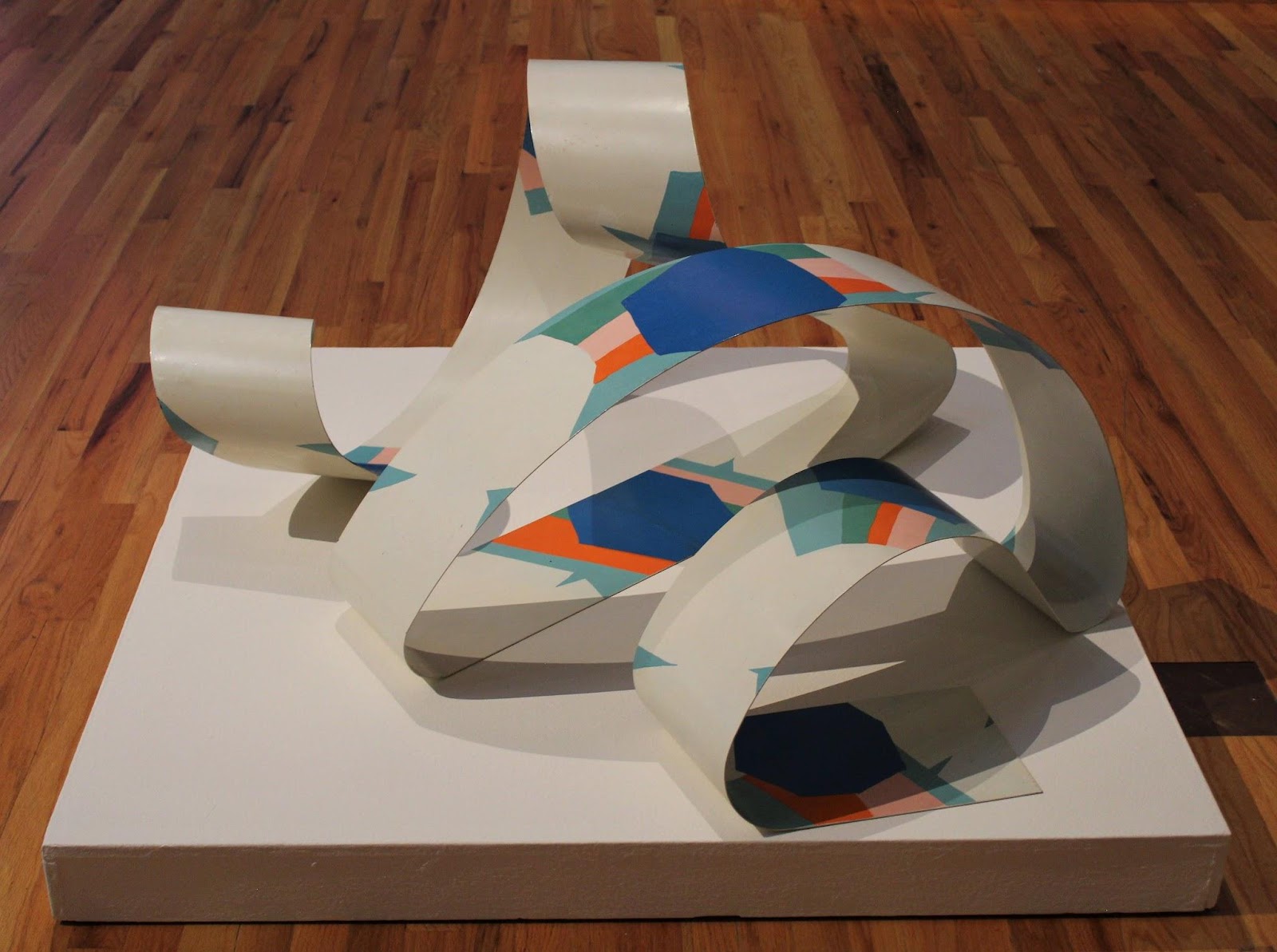
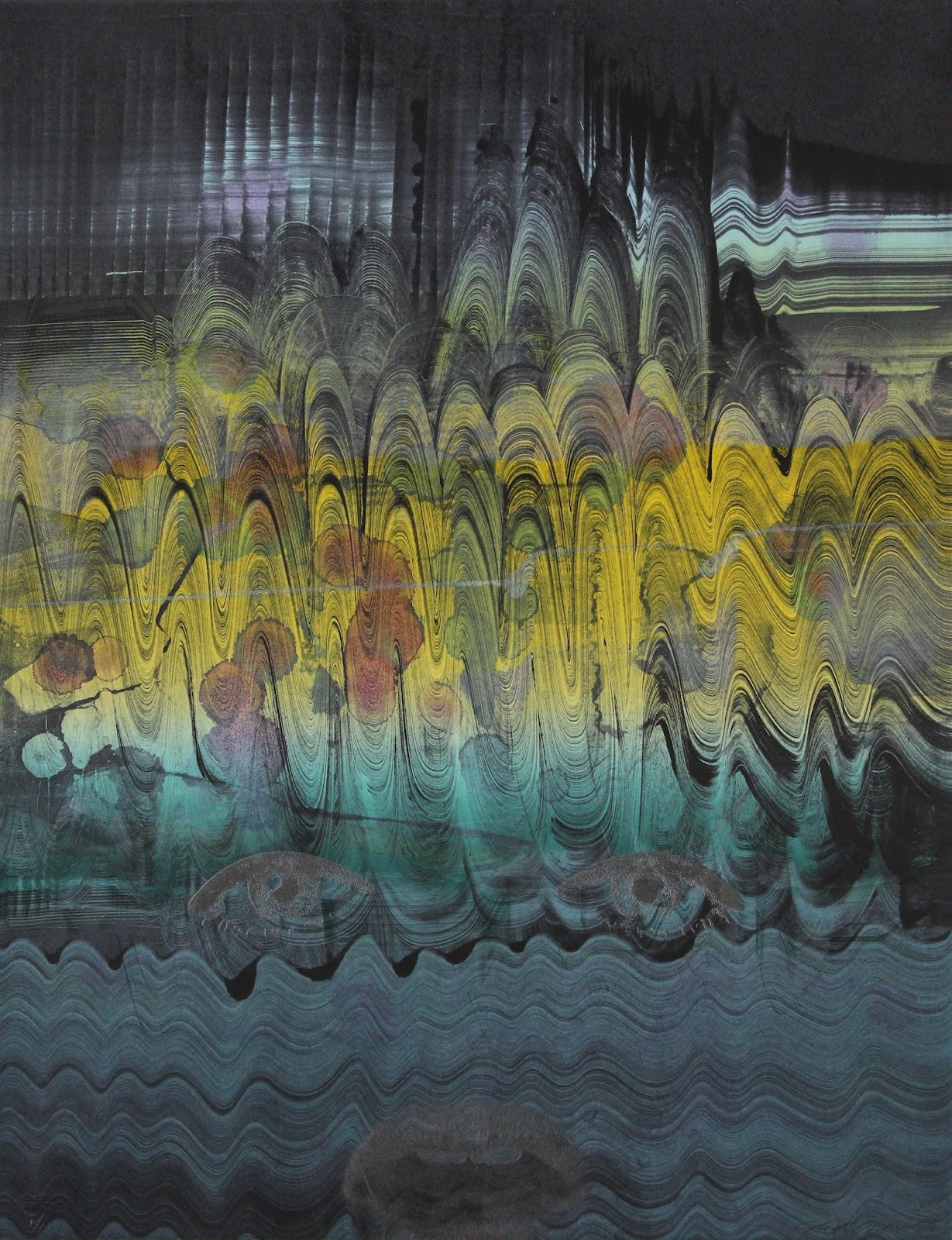
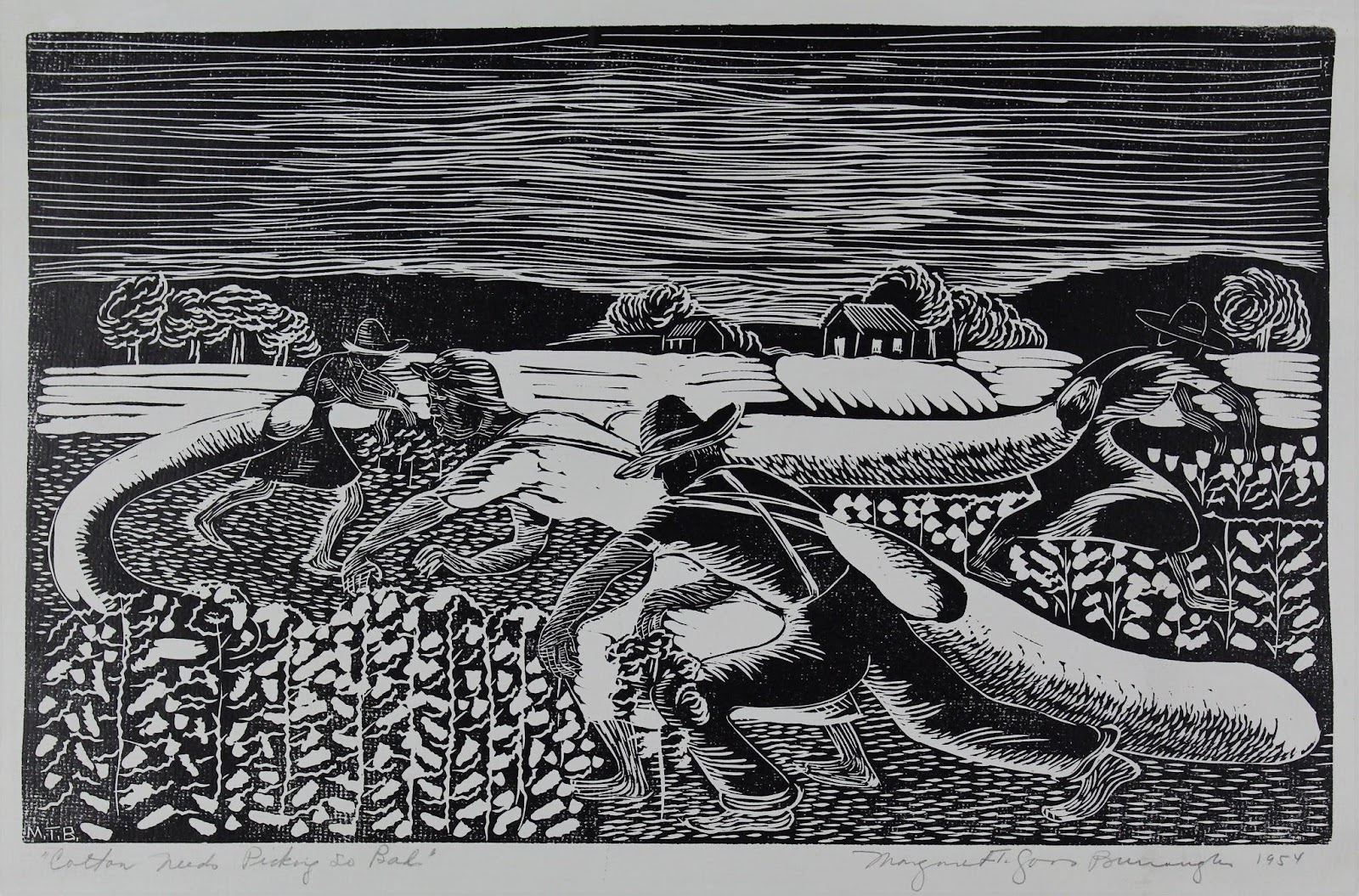
Now, try to spot the use of rhythm in the three works below. Here’s a hint: they all share one type in common (but it may be combined with other varieties). What does rhythm add to your experience of each artwork?